Building a restaurant isn’t just about creating a beautiful dining space; it’s a detailed process full of technical steps, regulations, and timelines. Many owners underestimate how complex a buildout can be until they’re in the middle of delays, budget changes, and compliance headaches. If you’re planning a new restaurant in NYC or anywhere else, here are the most common challenges you’ll face during the construction process and how to overcome them.
1. Permit Delays and Red Tape
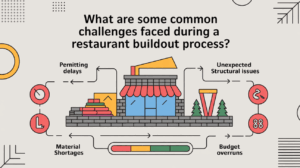
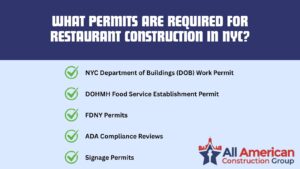
One of the biggest obstacles in any restaurant buildout is navigating the permit process, especially in cities like New York. Projects often require approvals from the Department of Buildings (DOB), the Department of Health (DOHMH), and sometimes even the FDNY.
Each agency has its own timeline and paperwork requirements, and a single misstep can halt your construction. Without the right filings or licensed professionals on board, owners find themselves stuck waiting weeks or even months for approval.
Working with experienced contractors, architects, and permit expeditors is essential if you want to move your project forward without bureaucratic delays.
2. Budget Overruns and Hidden Costs
Unexpected expenses are a common reality during any restaurant renovation. Many owners underestimate the total cost of construction by failing to account for things like HVAC upgrades, grease trap installations, or code-required electrical rewiring.
Once walls come down or demolition begins, it’s not unusual to uncover issues that weren’t visible during the site visit. These surprises can quickly push a project over budget. That’s why it’s crucial to develop a detailed scope of work upfront and build in a contingency budget to handle the unknowns.
3. Construction Timeline Setbacks
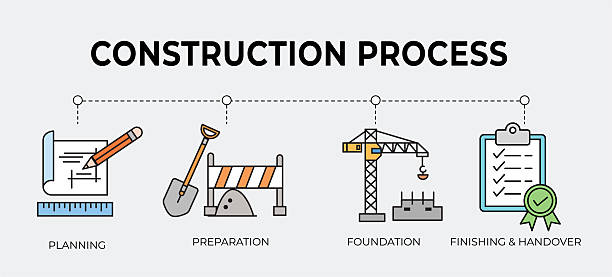
Even when you plan carefully, construction timelines often shift. Material shortages, subcontractor delays, failed inspections, or scheduling conflicts between trades can stretch your buildout by several weeks.
The longer your project runs, the more holding costs, delayed openings, and lost revenue you’ll face. The most effective way to prevent schedule overruns is to create a realistic project timeline that includes buffer periods and to work with a general contractor who manages all trades under one coordinated schedule.
4. Hidden Site Conditions
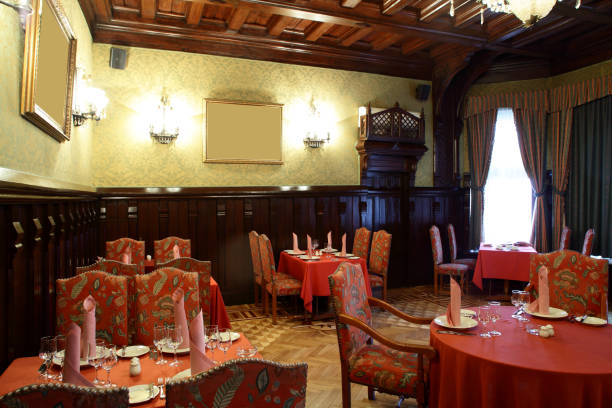
No matter how polished a space might look during a walk-through, the moment you start construction, you may find unexpected problems. Issues like unstable floors, old or illegal wiring, mold, or plumbing that’s out of code are common in older buildings.
These conditions can lead to costly change orders and redesigns mid-project. That’s why it’s vital to conduct a thorough pre-construction site evaluation before finalizing your lease or construction plan. Knowing what you’re up against can help you avoid costly surprises later.
5. Kitchen Layout and Code Conflicts
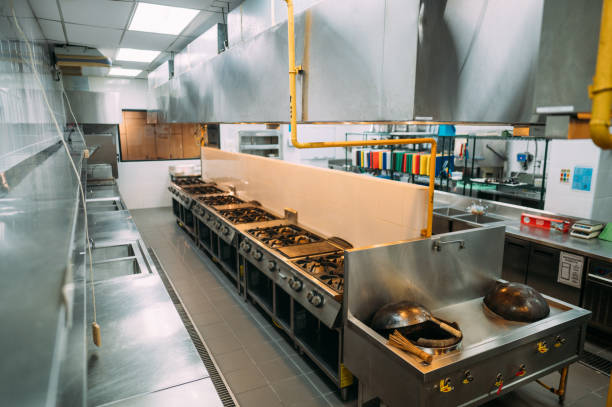
Designing a restaurant kitchen isn’t just about workflow—it’s about compliance. The layout must meet health, fire, and mechanical codes, and accommodate commercial equipment like hoods, fire suppression systems, sinks, and walk-in refrigerators. Problems often arise when equipment doesn’t fit, ventilation systems are misaligned, or plumbing fails to meet code.
These missteps lead to failed inspections and costly rework. Bringing in a commercial kitchen designer early and working closely with MEP engineers ensures your kitchen functions smoothly and passes all regulatory checks the first time.
6. Poor Coordination Between Trades

When multiple subcontractors—like electricians, plumbers, and framers—are on-site without coordination, mistakes happen. One trade might install work that another has to tear out and redo. These inefficiencies waste time and money.
The solution lies in hiring a design-build firm or a general contractor who takes full responsibility for scheduling, coordination, and communication between trades. With centralized management, projects stay organized, and teams aren’t stepping on each other’s timelines.
7. Zoning, Accessibility, and Location Limits
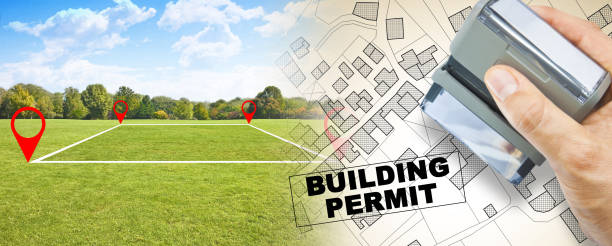
Not every space is a good fit for a restaurant. Some neighborhoods have strict zoning restrictions that limit outdoor dining, signage, or venting. Others may involve landmarked buildings, which require special permissions for alterations. In addition, ADA compliance is non-negotiable, meaning entrances, bathrooms, and pathways must meet accessibility standards.
Overlooking these rules can lead to costly redesigns or even fines. That’s why it’s critical to do zoning research before signing a lease and to involve an experienced local contractor who knows what’s allowed and what’s not.
8. Communication Breakdowns

Miscommunication is a silent killer in construction projects. When owners, architects, and contractors aren’t aligned, small missteps can spiral into major problems—whether it’s installing the wrong finish, misplacing electrical outlets, or misunderstanding city requirements.
Every change, question, or update needs to be documented and agreed upon. The most successful projects maintain weekly check-ins, shared updates, and a clear decision-maker to keep the project running smoothly and prevent confusion or costly errors.
How All American Construction Group Helps You Build Without Headaches
At All American Construction Group, we understand how overwhelming a restaurant buildout can feel, especially in New York. That’s why we provide a start-to-finish construction service that handles everything: permitting, design, trades, and inspections. Our team is experienced in navigating city codes, managing tight timelines, and solving problems before they become delays.
Whether you’re opening a coffee shop or a full-scale dining experience, we make the process easier, faster, and more reliable. No surprises. No delays. Just results.
Ready to Start Your Restaurant Buildout?
If you’re planning to build a restaurant in NYC, don’t go it alone. Partner with a team that knows the code, the pitfalls, and how to move fast without cutting corners.
👉 Schedule your free consultation with All American Construction Group today.