Opening a restaurant is a thrilling and rewarding endeavor, but it’s also a complex project filled with many steps, timelines, and decisions. One of the most common questions aspiring restaurateurs ask is, how long does it take to open a restaurant? Unfortunately, there’s no one-size-fits-all answer. The process varies widely based on factors such as location, permits, size of the restaurant, and your readiness. In this comprehensive guide, we’ll break down the typical timeline for opening a restaurant, what you can expect at each stage, and common delays to watch out for. By the end, you’ll have a clearer idea of how many days it will take for you to open your restaurant’s doors and serve your first customers.
1. Planning Your Restaurant: The Foundation of Success

Your restaurant’s success starts long before you flip the “Open” sign. Careful planning sets the tone and lays the groundwork for the entire opening process. This phase can take anywhere from 1 to 3 months or longer, depending on how detailed and prepared you are.
Key Planning Steps
- Define Your Concept:
What type of restaurant will you open? Fine dining, fast casual, family-friendly, ethnic cuisine, or a niche concept? Understanding your concept guides all future decisions. - Market Research:
Analyze your local market and competition. Who is your target customer? What gaps exist in the local dining scene? - Write a Business Plan:
A thorough business plan includes your restaurant concept, target audience, competitive analysis, marketing plan, operational plan, and financial projections. - Financial Planning:
Identify your startup costs — including lease, construction, equipment, permits, inventory, staffing, and marketing — and secure funding through savings, loans, or investors. - Location Scouting:
Location is everything. Consider foot traffic, parking, accessibility, lease terms, and zoning laws. Securing the right spot can take weeks or months.
Pro Tip: The better your initial plan, the smoother your entire process. Spending extra time here reduces costly mistakes later.
2. Designing and Building Your Space: Bringing Your Vision to Life

Once your plan and location are in place, it’s time to design and build out your restaurant space. This phase involves architects, contractors, designers, and city inspectors, so timelines can vary based on complexity.
Partnering with licensed commercial general contractors who specialize in restaurant spaces can make a big difference.
What’s Involved?
- Design and Layout:
Work with professionals to create a layout that supports efficient kitchen operations, comfortable seating, and appealing décor. Your design must also meet health and safety regulations. - Construction and Renovation:
This is where the physical work happens — from installing kitchens and dining areas to electrical and plumbing work.
Typical Timelines for Build-Out
| Stage | Typical Duration | Notes |
| Design and Permitting | 4 to 8 weeks | Can overlap with the planning phase |
| Construction and Renovation | 6 to 12 weeks | Depends on size and condition |
| Final Inspections and Fixes | 1 to 3 weeks | May require follow-up inspections |
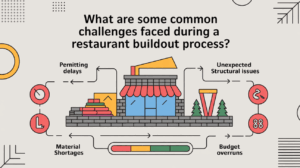
Common Challenges During Build-Out
- Unexpected structural issues
- Delays in materials delivery
- Scheduling conflicts with contractors
Planning buffer time here is essential. The construction phase alone can significantly influence how long does it take to open a restaurant.
3. Securing Permits and Licenses: The Legal Must-Haves
Operating legally means obtaining several permits and licenses before you can serve food to customers. This process can often be one of the longest and most unpredictable parts of opening a restaurant.
Take a look at how All American Construction Group has helped other restaurant owners navigate this process smoothly in past projects.
Essential Permits and Licenses
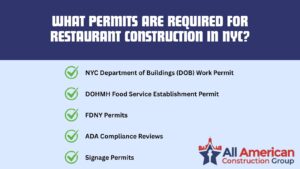
Here’s a list of the most common permits you’ll need:
- Business License
- Food Service Establishment Permit (Health Department approval)
- Liquor License (if serving alcohol)
- Building and Occupancy Permit
- Sign Permit
- Fire Department Permit
Permit Processing Times
| Permit Type | Typical Approval Time | Notes |
| Food Service Permit | 4 to 8 weeks | Requires kitchen inspection |
| Liquor License | 8 to 12 weeks | Can be highly competitive and complex |
| Building & Occupancy Permits | 4 to 6 weeks | Dependent on the city and completeness of applications |
| Fire Safety Inspection | 1 to 2 weeks | Usually scheduled after construction |
Tips to Speed Up Permits
- Submit complete, accurate applications
- Schedule inspections as early as possible
- Work with local officials and experts familiar with city requirements
Permit and license delays are a top reason for restaurant opening setbacks, so allocate sufficient time and resources here.
4. Hiring and Training Staff: Building Your Dream Team

Even after your space is ready, your restaurant can’t function without a reliable and well-trained team. Hiring and onboarding staff can take 4 to 8 weeks, depending on your team size and experience level.
From kitchen installations to HVAC and safety systems, restaurant build-out specialists can streamline your launch and reduce post-opening headaches.
Staff You’ll Need to Hire
- Executive Chef and Kitchen Staff
- Front-of-House Managers and Servers
- Hosts and Bussers
- Cleaning and Maintenance Staff
Training and Trial Runs
- Training Programs:
Develop training manuals and conduct hands-on sessions to ensure everyone knows their roles and standards. - Soft Opening:
A soft opening is a trial period where you invite limited guests (friends, family, locals) to test your operations. This helps identify and fix issues before the grand opening.
Why Soft Openings Matter
- Allows staff to practice under real conditions
- Provides valuable customer feedback
- Helps refine workflows and service standards
Skipping this step might save time, but can cause bigger problems later that delay your official opening.
5. Marketing and Launch Preparation: Creating Excitement
Marketing your restaurant before it opens helps build anticipation and ensures you have guests lined up on day one.
Pre-Opening Marketing Strategies
- Social Media Presence:
Start posting on Instagram, Facebook, and TikTok to showcase your concept and progress. - Influencer and Media Outreach:
Invite food bloggers and local media to preview events. - Email Campaigns and Sign-Ups:
Collect emails for grand opening announcements and special offers.
Grand Opening Tips
- Choose a launch date with enough buffer after final inspections and staff training
- Plan special promotions, events, or giveaways
- Invite local community leaders and the press
A well-planned launch maximizes initial impact and helps your restaurant get off to a strong start.
6. Common Delays and How to Avoid Them
Many restaurant openings face delays, but understanding the common pitfalls helps you plan better.
Major Delay Factors
- Construction Setbacks:
Weather, subcontractor scheduling conflicts, and supply chain issues. - Permit and Inspection Issues:
Missing paperwork, failed inspections, or government backlogs. - Financing and Cash Flow Problems:
Running out of funds or loan approval delays. - Staffing Challenges:
Difficulty finding or retaining quality staff.
Roof issues can delay inspections and opening. Ensure everything’s secure by working with licensed roofing contractors who understand both commercial and residential requirements.
How to Mitigate Delays
- Build buffer time into your timeline
- Maintain clear communication with contractors and officials
- Monitor your budget closely and secure backup financing
- Begin recruiting early and consider temp staffing for soft openings
Estimated Timeline to Open a Restaurant
| Phase | Estimated Duration | Key Notes |
| Planning | 1 to 3 months | Concept, business plan, financing |
| Design & Build-Out | 10 to 20 weeks | Includes construction & permits |
| Marketing & Launch Prep | 4 to 12 weeks | May overlap with construction |
| Hiring & Training Staff | 4 to 8 weeks | Includes soft openings |
| Marketing & Launch Prep | 3 to 6 weeks | Build buzz, plan grand opening |
| Total Estimated Time | 3 to 9 months | Varies by project complexity |
Setting Realistic Expectations
So, how long does it take to open a restaurant? The journey typically spans 3 to 9 months, with many moving parts that can speed up or slow down the process. From detailed planning to hiring your team and marketing your grand opening, each stage is crucial to your success.
The key is to be realistic, patient, and proactive. Plan ahead, communicate clearly with your team and officials, and expect the unexpected. By doing so, you’ll turn your restaurant dream into a reality without unnecessary surprises or delays.
Frequently Asked Questions (FAQs)
How long does it usually take to open a restaurant from start to finish?
On average, it takes about 3 to 9 months, but this depends on your specific concept, location, and resources.
What’s the best way to speed up how long it takes to open a restaurant?
Plan thoroughly, hire experienced contractors, and get your permits submitted early to avoid delays.
How long do permits and licenses typically take?
Permit approvals usually take 4 to 12 weeks, depending on your city and the complexity of your restaurant.
Can skipping a soft opening speed up the process?
While it might seem faster, skipping a soft opening often leads to operational issues during the grand opening, so it’s best to include it.
What are the common causes of delays in opening a restaurant?
Typical causes include construction setbacks, permit delays, financing problems, and staffing challenges.